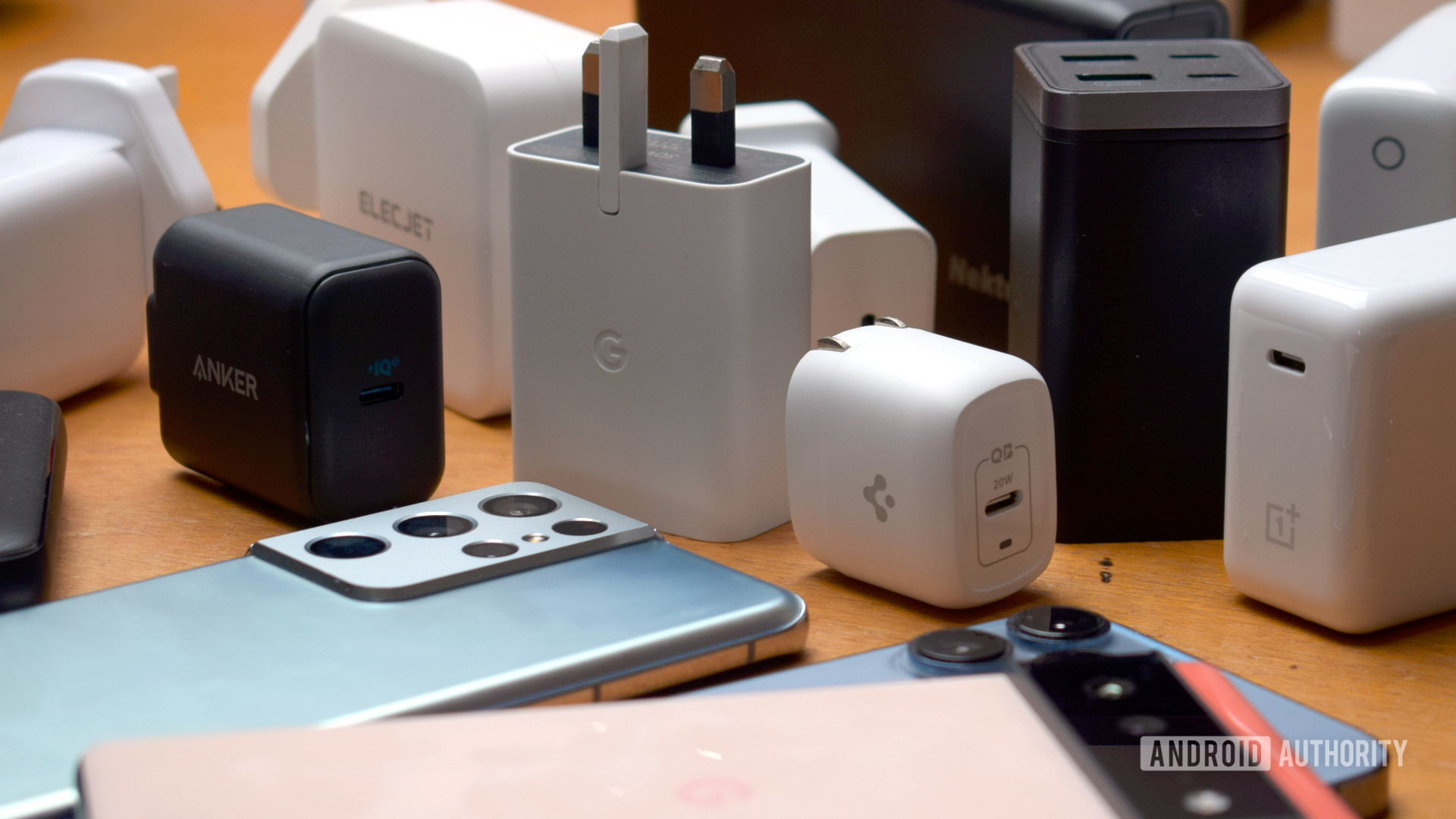
Understanding Amperage: What Your Smartphone Charger is Really Capable Of
When it comes to charging your smartphone, understanding amperage is crucial. Amperage, measured in amps, refers to the flow of electric current in a circuit. This is particularly important for smartphone chargers, as different chargers can provide varying levels of current to your device. For instance, a typical phone charger might deliver 1A (amp), which is sufficient for standard charging, while fast chargers can offer 2A or more, allowing for quicker power replenishment. Knowing the amperage ratings of your charger can help you select the right one to meet your device's requirements and ensure safe, efficient charging.
It's also essential to consider that a charger with a higher amperage capacity does not necessarily mean it's suitable for every device. Modern smartphones are designed with built-in charging management systems that regulate how much current they draw from the charger. This means that if you connect a 2A charger to a phone designed for 1A, the device will only draw the amount it can handle, preventing any potential damage. Thus, always check your smartphone's specifications to find out the optimal amperage for charging, ensuring both speed and safety.
If you're looking to keep your workspace tidy while ensuring your devices are always charged, check out the Top 10 Desk Wireless Chargers. These chargers not only offer incredible convenience but also come in sleek designs that fit seamlessly into any office aesthetic. From fast charging capabilities to multiple device support, there’s a perfect option for everyone.
The Hidden Dangers: Common Myths About Smartphone Charging Debunked
Smartphones are an integral part of our daily lives, but many users fall prey to common myths about smartphone charging. One prevalent misconception is that it’s essential to let your phone's battery drain completely before recharging. In reality, modern smartphones utilize lithium-ion batteries that perform best when charged regularly rather than fully depleted. Allowing your phone to dip to low battery levels can actually shorten its lifespan due to stress on the battery. Instead, aim to keep your device charged between 20% and 80% for optimal performance.
Another myth that persists is that using your phone while it is charging can cause overheating and damage. While it’s true that intense usage during charging can generate heat, most contemporary smartphones are designed to handle such conditions without significant risk. Manufacturers implement various safety measures to protect the device, including temperature regulation and charging circuitry. Hence, occasional usage while charging doesn’t lead to catastrophic failure, though it's wise to avoid overly taxing applications during these times.
How to Extend the Life of Your Smartphone Charger: Tips and Tricks
Maintaining the longevity of your smartphone charger is essential for ensuring that your device remains fully powered. Firstly, avoid wrapping the charger too tightly when storing it, as this can create stress on the wires and lead to fraying. Instead, use a loose coil or a dedicated organizer to prevent unnecessary tension. Additionally, keep your charger away from heat sources, such as radiators or direct sunlight, as excessive heat can degrade the materials over time.
Another effective way to extend the life of your smartphone charger is to regularly clean both the charger and the port on your device. Dust and debris can accumulate over time, causing connectivity issues and potential damage. Use a soft brush or a can of compressed air to gently remove any buildup. Finally, consider purchasing a quality charger from a reputable brand, as cheaper alternatives may not meet safety standards and can potentially harm your device.